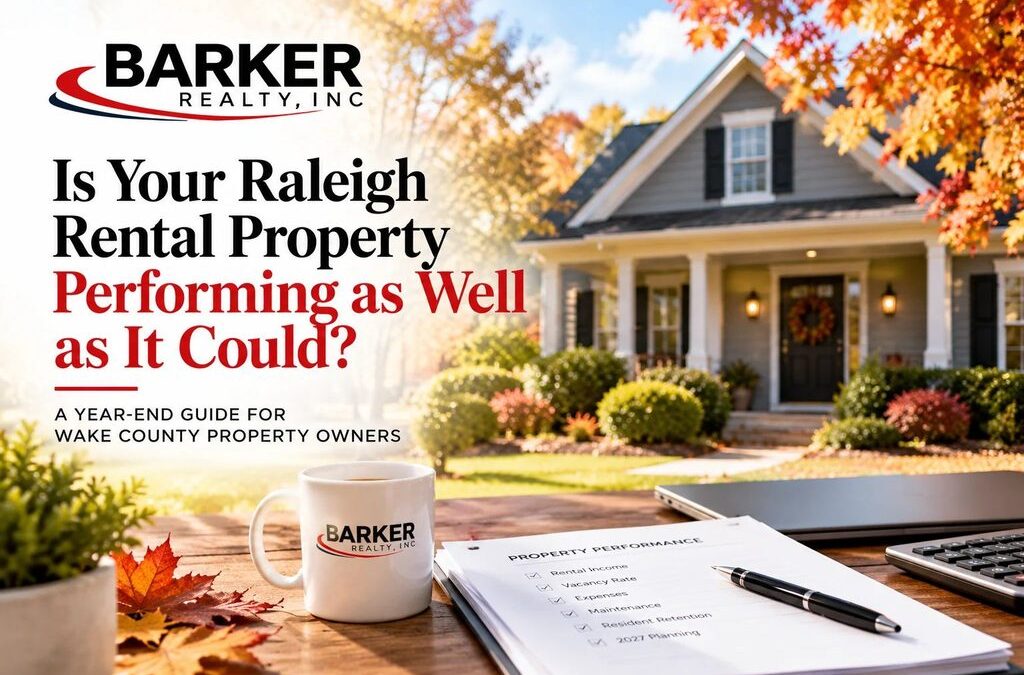
Is Your Raleigh Rental Property Performing as Well as It Could?
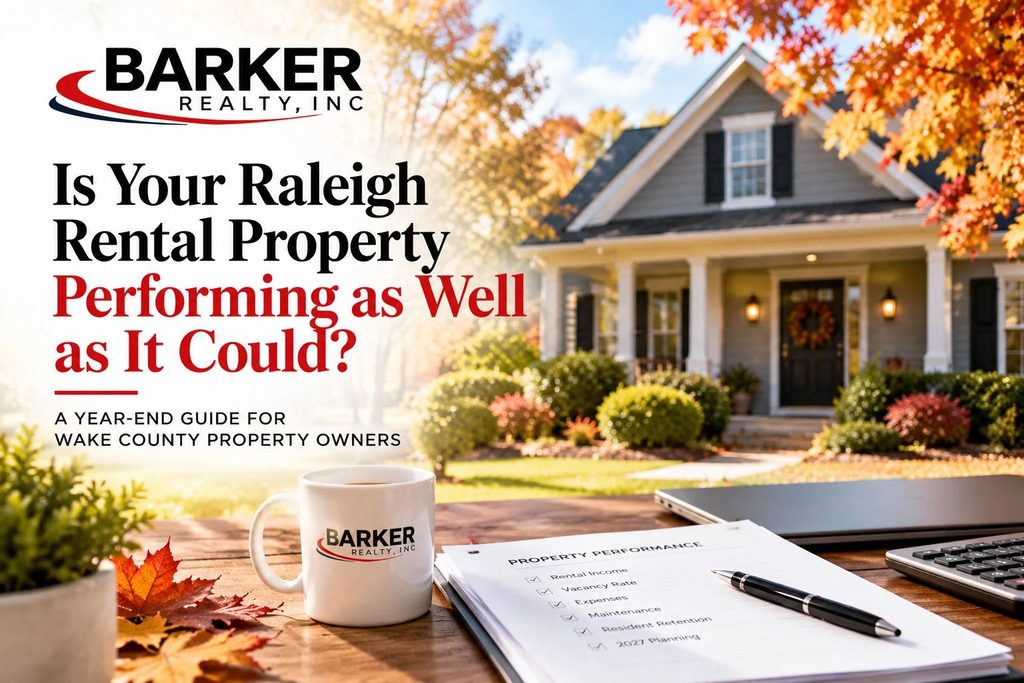
A Year-End Guide for Wake County Rental Property Owners
Owning a rental property is an investment in your financial future. But collecting rent each month doesn’t necessarily mean your property is performing at its full potential.
As 2026 draws to a close, now is a good time for rental property owners throughout Raleigh, Cary, Wake Forest, and Wake County to evaluate their property’s performance and identify opportunities for the year ahead.
From rental income and vacancy periods to maintenance expenses and resident retention, understanding a few key factors can help you make more informed decisions about your investment.
1. Look Beyond Monthly Rental Income
Rental income is an important measure of performance, but it doesn’t tell the entire story.
A property generating consistent rent payments may still have opportunities for improvement when you consider operating expenses, maintenance costs, and periods of vacancy.
Start by reviewing:
- Rental income: How much rent did your property generate throughout the year?
- Operating expenses: What did you spend on maintenance, repairs, insurance, property taxes, and management?
- Vacancy costs: How much potential rental income was lost between residents?
- Unexpected expenses: Were there significant repairs or other unplanned costs?
Comparing annual income against expenses can provide a clearer picture of your property’s operating performance.
For a more complete investment assessment, owners should also consider mortgage payments, financing costs, and anticipated capital improvements.
2. Evaluate Your Rental Rate Against the Local Market
Rental markets change, and the price that made sense when a lease began may not reflect current conditions.
In Raleigh and surrounding Wake County communities, rental demand and pricing can vary by neighborhood, property type, condition, and available inventory.
As you evaluate your property, consider:
- Is your rental rate competitive with comparable properties?
- Have neighborhood conditions or competing listings changed?
- Does the property’s condition support its current asking rent?
- Would a rental adjustment help attract or retain a qualified resident?
Setting the highest possible asking rent isn’t always the most profitable strategy.
For example, a $100 monthly rent increase generates $1,200 over a full year of occupancy. But an additional month of vacancy could offset that increase, depending on the property’s rental rate.
The objective is to find a balance between competitive pricing, qualified residents, and consistent occupancy.
3. Understand the Impact of Vacancy and Resident Turnover
Every rental property experiences turnover at some point. However, the frequency and duration of vacancies can have a meaningful impact on overall performance.
When a resident moves out, owners may face expenses associated with cleaning, repairs, marketing, and preparing the property for its next occupant.
There is also the potential loss of rental income while the property remains vacant.
Consider these questions during your year-end review:
- How many days was your property vacant this year?
- How long did it take to secure a qualified resident?
- Were there avoidable delays between residents?
- Are upcoming lease expirations being addressed proactively?
Resident retention can be an important part of minimizing unnecessary turnover.
Responsive maintenance, clear communication, and thoughtful lease renewal planning can contribute to a positive rental experience while helping owners maintain more consistent occupancy.
4. Review Maintenance Expenses and Property Condition
A rental property’s physical condition directly influences its long-term performance.
While some maintenance expenses are unavoidable, postponing necessary repairs can sometimes lead to larger and more expensive problems.
A year-end review should include both completed maintenance and anticipated needs.
Consider evaluating:
- Heating and cooling system condition
- Roof, gutters, and drainage
- Plumbing and water-related concerns
- Appliances and major equipment
- Exterior paint, landscaping, and general curb appeal
- Potential improvements that may support future rental value
For Wake County property owners, seasonal weather changes make preventive maintenance particularly important.
A proactive maintenance plan can help preserve property condition, improve the resident experience, and make future expenses more predictable.
5. Prepare Your Rental Property Budget for 2027
Understanding your property’s 2026 performance is only the first step. The next is using that information to plan for the year ahead.
Consider developing a 2027 property budget that accounts for expected operating expenses, routine maintenance, potential repairs, and future improvements.
You may also want to evaluate upcoming lease renewals, insurance costs, property taxes, and whether your current rental strategy continues to support your investment objectives.
A well-informed budget can help owners prepare for expenses rather than react to them.
6. Consider Whether Your Property Management Strategy Is Working
Managing a rental property involves more than collecting monthly rent.
Leasing, maintenance coordination, resident communication, financial reporting, and day-to-day property oversight all influence the ownership experience.
As you evaluate your investment, ask yourself:
- Am I receiving clear information about my property’s financial performance?
- Are maintenance needs being handled efficiently?
- Is my property being marketed and priced competitively?
- Are resident concerns and lease renewals addressed proactively?
- How much personal time am I spending managing the property?
For some owners, professional property management can provide the local knowledge, operational support, and consistent oversight needed to manage these responsibilities more effectively.
A Stronger Rental Property Strategy Starts With Better Information
Successful rental property ownership requires ongoing attention to both financial performance and property condition.
By reviewing rental income, expenses, vacancy periods, resident retention, and maintenance needs, Wake County property owners can identify opportunities to improve their investment strategy heading into 2027.
Barker Realty has served Raleigh and the surrounding Triangle communities since 1984, providing full-service residential property management for local and out-of-area property owners.
Whether you own one rental home or multiple investment properties, our team understands the responsibilities involved in managing residential real estate.
Ready to take a closer look at your rental property management strategy?
Visit barker-inc.com to learn more about Barker Realty’s property management services.